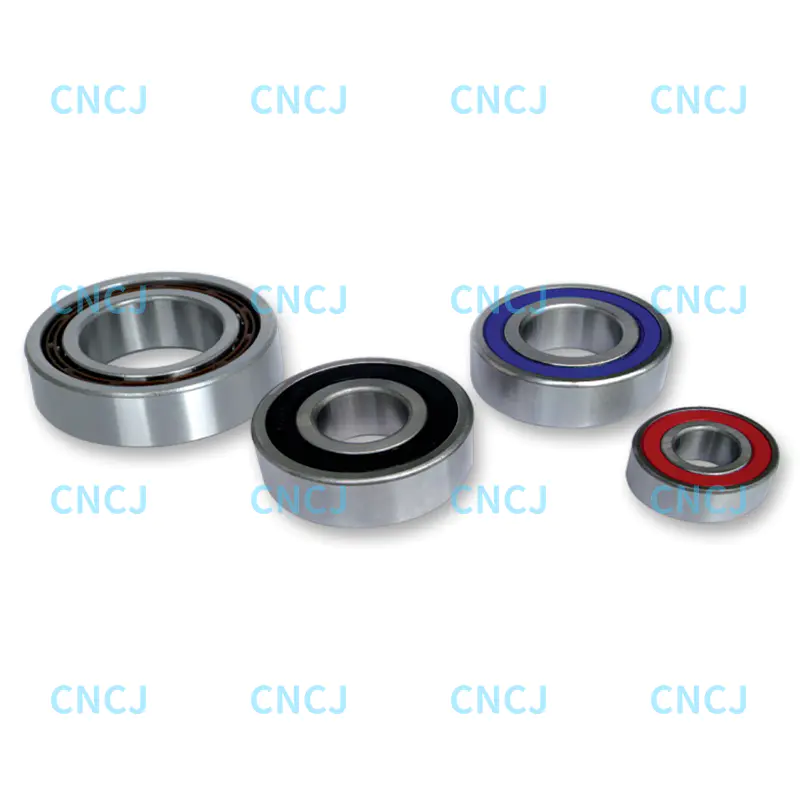
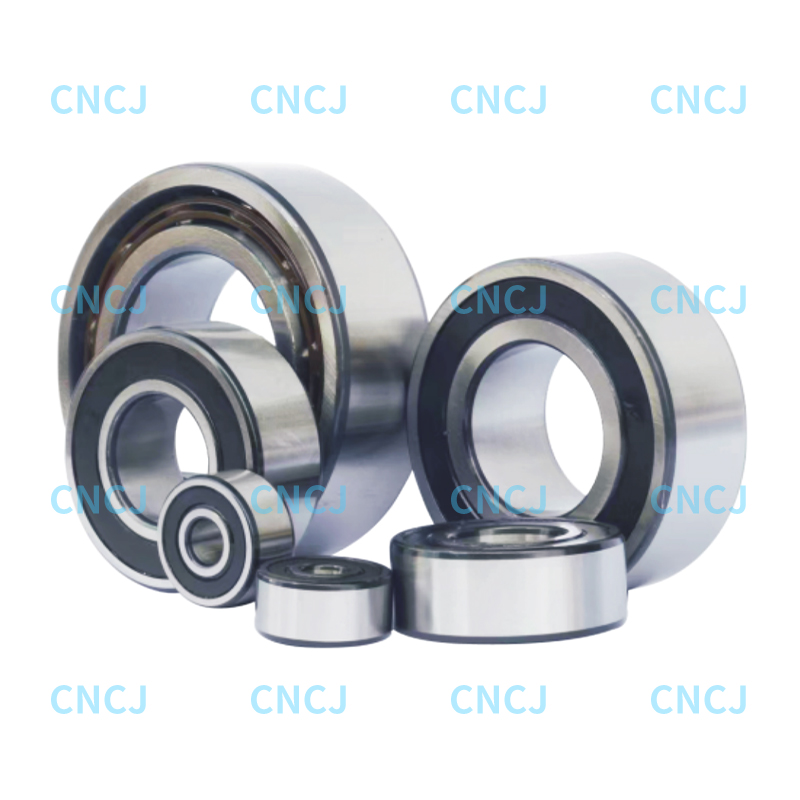
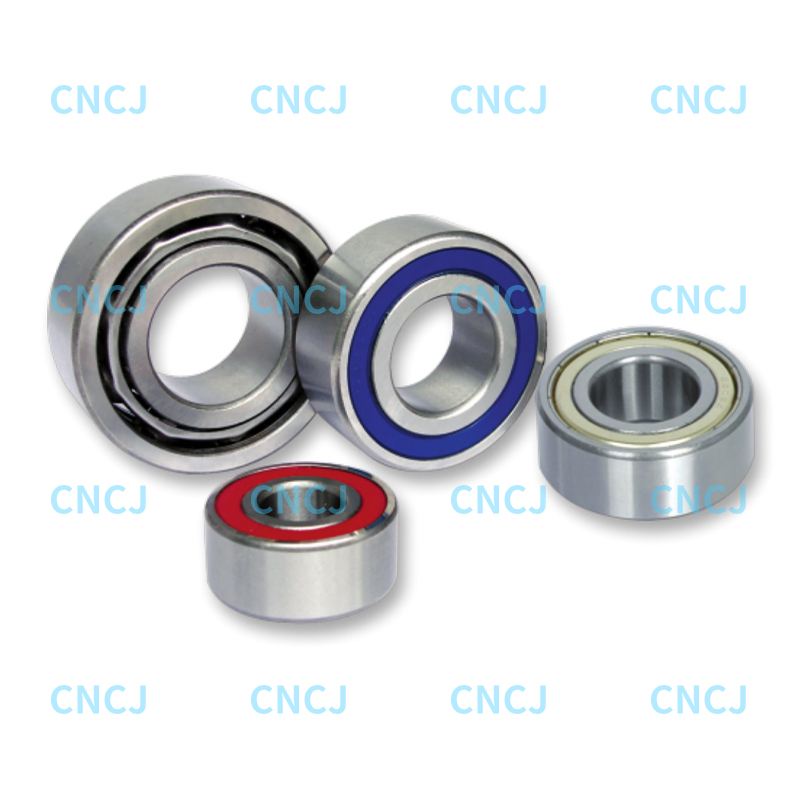
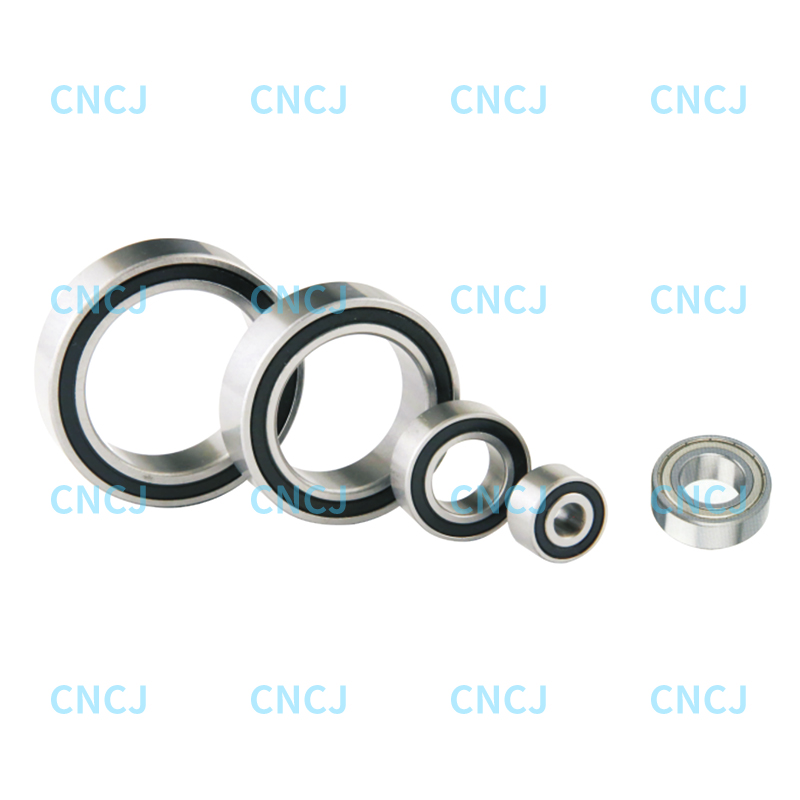
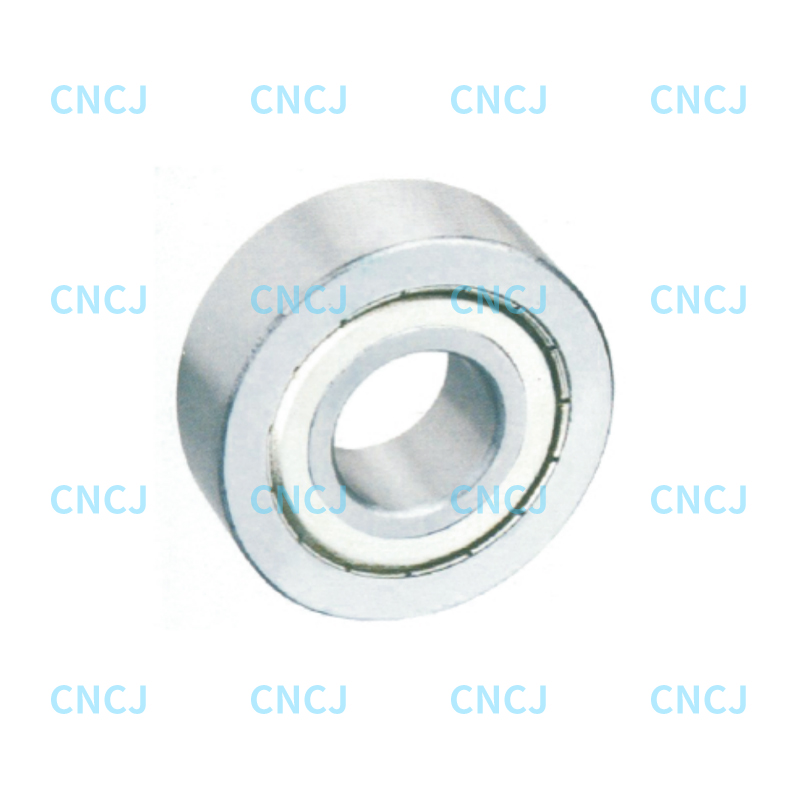
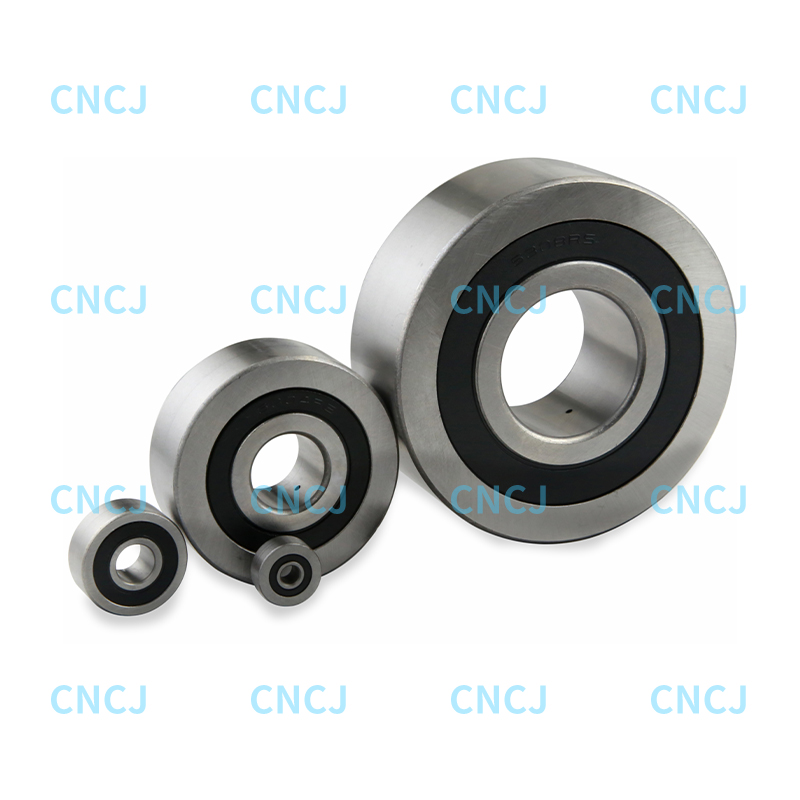
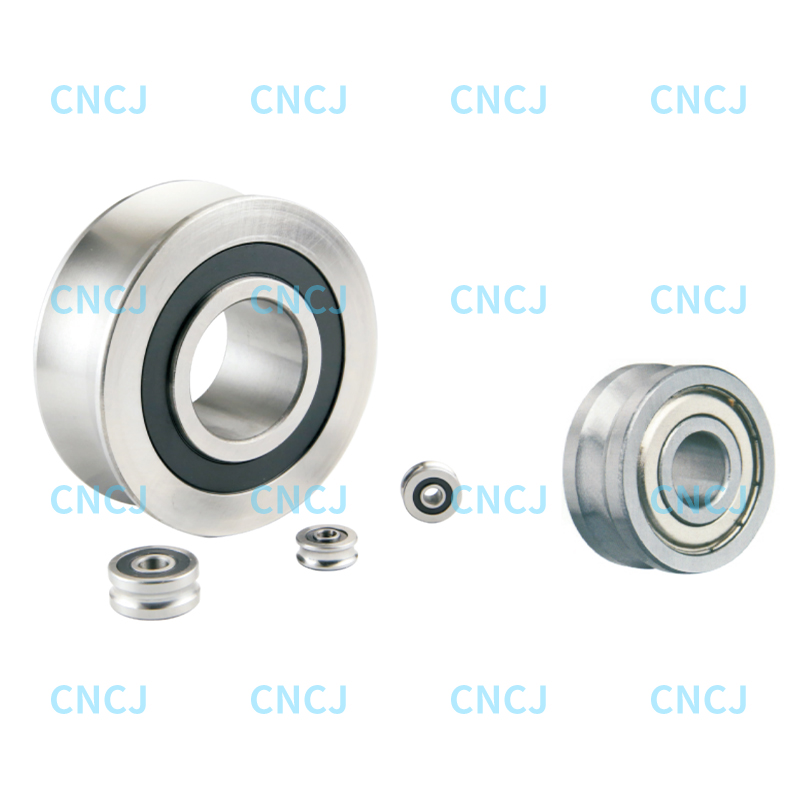
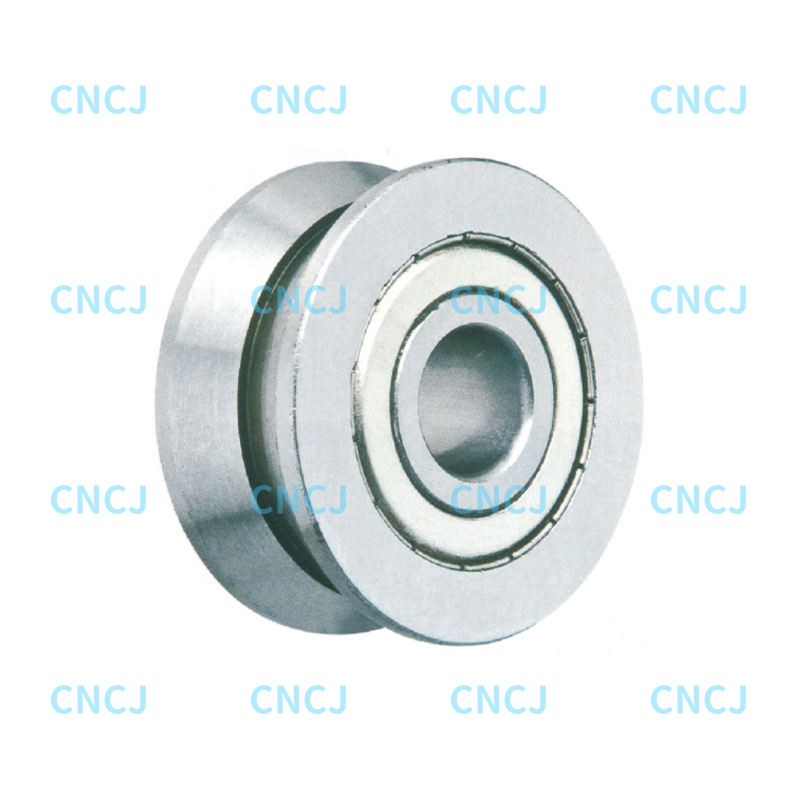
Imthacaí Liathróid Sraith Dúbailte a úsáidtear nuair nach féidir le imthacaí liathróid sraithe singil na hualaí comhcheangailte gathacha agus aiseach a láimhseáil go sásúil in iarratas ar leith, nó nuair a chuireann srianta spáis gléasta cosc ar dhá imthacaí sraithe singil a úsáid. Is é an buntáiste sainithe a bhaineann le dearadh sraith dhúbailte ná go bhfreastalaíonn sé ar chumas ualaigh gathacha thart ar 60 go 70% níos airde ná imthacaí sraithe inchomparáide den trastomhas seachtrach céanna. (Foinse: Catalóg Bearing SKF, Prionsabail Ghinearálta; oiriúnaithe do chéimseata chaighdeánach dhá shraith). Baintear é seo amach tríd an ualach a dháileadh thar dhá shraith d’eilimintí rollta laistigh d’aon tithíocht dhlúth amháin — rud a chuireann deireadh leis an ngá atá le socrú imthacaí péireáilte agus feidhmíocht ualachiompartha coibhéiseach nó níos fearr á bhaint amach.
Taobh amuigh den acmhainn ualaigh amh, soláthraíonn imthacaí liathróid sraith dhúbailte docht seafta níos mó, friotaíocht níos fearr ar ualaí nóiméad (tilting), agus cóimeáil níos simplí i gcomparáid le réitigh aon-sraith péireáilte. Is rogha phraiticiúil innealtóireachta iad thar raon leathan tionscal - ó fhearsaidí uirlisí meaisín agus trealamh talmhaíochta go córais iompair, comhpháirteanna feithicleacha, agus mótair leictreacha - nuair a bhíonn gá le dlúthacht, marthanacht agus iontaofacht faoi luchtú comhcheangailte go comhuaineach.
Scrúdaíonn an treoir seo an réasúnaíocht theicniúil, sonraí feidhmíochta, loighic iarratais, agus critéir roghnúcháin le haghaidh imthacaí liathróid sraithe dúbailte go domhain, ag tabhairt tagartha iomlán d'innealtóirí, speisialtóirí soláthair agus gairmithe cothabhála chun tuiscint a fháil ar cén fáth agus cathain a sheachadann an cineál imthacaí seo an toradh is fearr.
Cad iad Imthacaí Liathróid Double Row? Struchtúr agus Príomhchineálacha
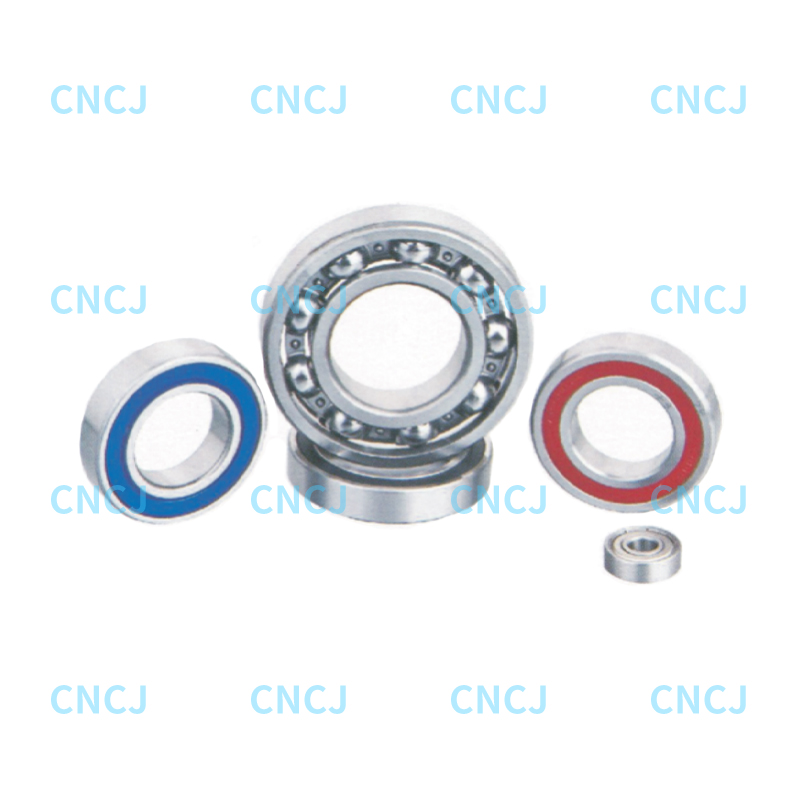
Tá imthacaí liathróid sraith dhúbailte comhdhéanta de fháinne seachtrach, fáinne istigh, agus dhá shraith de liathróidí cruach suite taobh le taobh laistigh den chlúdach imthacaí céanna, scartha agus treoraithe ag cage. Tá rásbhealach seachtrach coitianta ag an dá shraith liathróid ach d'fhéadfadh go mbeadh rásbhealaí inmheánacha aonair acu (mar atá i imthacaí gránach domhain sraithe dúbailte) nó rásbhealach inmheánach roinnte leanúnach (mar atá i imthacaí liathróid teagmhála uillinneacha sraith dhúbailte). Cruthaíonn an chéimseata seo imthacaí a áitíonn spás aiseach imthacaí sraithe amháin agus feidhmíocht fheidhmiúil socraithe péireáilte á sholáthar.
Imthacaí Liathróid Deep Groove Double Row
Is é an imthacaí liathróid groove domhain sraith dhúbailte (DRDGBB) an cineál sonraithe is coitianta. Gnéithe sé dhá shraith de liathróidí ag rith i grooves domhain siméadrach meaisínithe isteach i fáinní laistigh agus lasmuigh araon. Láimhseálann an dearadh seo ualaí gathacha mar phríomhfheidhm, le cumas ualaigh aiseach measartha sa dá threo. Ceadaíonn céimseata domhain groove an imthacaí tacú le hualaí aiseach suas le thart ar 50% den acmhainn ualaigh gathaigh statach gan gá le imthacaí sá ar leith. (Foinse: ISO 76:2006 - Imthacaí Rollta, Rátálacha Ualaigh Statach). Ciallaíonn an dearadh siméadrach freisin go bhfuil an t-imthaca neamhthreorach agus is féidir é a shuiteáil gan imní faoi threoshuíomh.
Tá dhá shraith de liathróidí socraithe ag uillinn teagmhála — go hiondúil 25 céim nó 32 céim — ag imthacaí liathróid teagmhála uilleacha sraithe dúbailte (DRACBBs) go dtí an ais imthacaí. Déantar an chéimseata uilleach seo a innealtóireacht go sonrach chun ualaí comhcheangailte gathacha agus aiseach a láimhseáil ag an am céanna, agus an acmhainn ualaigh aiseach arna chinneadh ag an uillinn teagmhála: táirgeann uillinn teagmhála níos airde cumas ualaigh aiseach níos mó ag laghdú éigin ar chumas gathacha. Is iad DRACBBanna an rogha is fearr le haghaidh fearsaidí uirlisí meaisín, cóimeálacha mol roth, agus aon fheidhmchlár ina bhfuil ualaí aiseach déthreocha i láthair taobh le hualaí suntasacha gathacha.
Imthacaí Liathróid Féin-Ailíniú Sraith Dúbailte
Tá rásbhealach seachtrach sféarúil ag an imthacaí liathróid féin-ailínithe sraith dhúbailte a ligeann don fháinne istigh agus don chóimeáil liathróid chlaonadh i gcoibhneas leis an bhfáinne seachtrach, rud a fhágann go n-éascófar an seafta suas le 2 go 3 chéim gan aon strus lúbthachta a chur ar an imthacaí. Úsáidtear an cineál seo go forleathan i seaftaí talmhaíochta, rollóirí iompair, agus aon seafta tarchurtha atá faoi réir sraonadh faoi ualach nó nuair nach féidir ailíniú tithíochta-go-thithíocht a ráthú le linn na suiteála.
Roghnaíonn Innealtóirí Sé Chúiseanna Teicniúla Imthacaí Liathróid Dhúbailte
1. Cumas Luchtaithe Gathach Suntasach Níos airde sa Chlúdach Spáis Céanna
An chúis innealtóireachta is dírí le sonrú Imthacaí Liathróid Sraith Dúbailte is acmhainn ualaigh gathaigh é. Toisc go ndéantar an t-ualach a dháileadh ar dhá shraith d’eilimintí rollta seachas ar cheann amháin, tá an rátáil ualaigh dinimiciúil (C) d’imthacaí sraithe dúbailte de tholl tugtha agus de thrastomhas seachtrach i bhfad níos airde ná coibhéis aon tsraith. Mar shampla, is féidir le imthacaí liathróid groove domhain sraith dhúbailte sa tsraith 6200 rátáil ualach dinimiciúil a bhaint amach thart ar 1.6 huaire níos airde ná an imthacaí coibhéiseach singil 6200 ag an trastomhas seachtrach céanna (Foinse: ISO 281:2007 - Imthacaí Rollta, Rátálacha Ualaigh Dinimiciúla agus Beatha Rátála; comparáid céimseata ghinearálta). Ciallaíonn sé seo gur féidir le hinnealtóirí ualaí níos troime a sheasamh gan trastomhas an tseafta nó an tolladh tithíochta a mhéadú — buntáiste suntasach i ndearaí dlúth-innill nuair a bhíonn spás teoranta.
2. Láimhseáil Comhuaineach ar Ualaí Gathacha agus Aiseach
Gineann go leor feidhmchlár meaisín fíor-dhomhanda luchtú comhcheangailte - fórsaí gathacha ó theannas crios, mogalra giair, nó meáchan, in éineacht le fórsaí aiseach ó sá giar héiliciúil, brú lucht leanúna, nó éagothroime. Is féidir le imthacaí liathróid aonair groove domhain ualaí comhcheangailte measartha a láimhseáil, ach tá dearadh sraithe dúbailte - go háirithe an cineál teagmhála uilleach - optamaithe go sonrach don chás lódála seo. Is féidir le imthacaí liathróid teagmhála uilleacha sraith dhúbailte tacú le hualaí aiseach sa dá threo ag an am céanna, murab ionann agus péirí comhoiriúnaithe imthacaí uilleacha aon-sraith a chaithfidh a bheith dírithe ar mhalairt slí chun tacaíocht aiseach déthreoch a bhaint amach. Déanann sé seo an dearadh agus an cóimeáil a shimpliú agus feidhmíocht choibhéiseach nó níos fearr a sholáthar.
3. Ard-Rochtaineacht seafta agus Friotaíocht in aghaidh Ualaí Nóiméad
Is dúshlán minic iad ualaí móiminte — fórsaí a dhéanann iarracht an seafta a chlaonadh nó a lúbadh i gcoibhneas leis an tithíocht — maidir le hualaí róchrochta, socruithe cantilever, agus feidhmchláir ina ndéantar an t-ualachphointe a fhritháireamh ón suíomh imthacaí. Tá friotaíocht teoranta ag imthacaí liathróid aon-shraith ar ualaí nóiméad toisc go soláthraíonn sé líne tacaíochta teagmhála amháin go héifeachtach. Soláthraíonn imthacaí liathróid sraithe dúbailte, a bhfuil a dhá shraith scartha ag leithead an imthacaí, céimseata tacaíochta dáilte a chuireann i gcoinne tilting. Cruthaíonn an lámh mhóimint éifeachtach idir an dá shraith liathróid — de ghnáth idir 20 agus 40% de thrastomhas seachtrach an imthacaí — friotaíocht intomhaiste i gcoinne tipping seafta nach féidir le imthacaí aon sraithe den trastomhas seachtrach céanna a mheaitseáil. Sin é an fáth go bhfuil imthacaí sraith dhúbailte caighdeánach i bhfearsaidí uirlisí meaisín, áit a gcaithfear sraonadh seafta faoi fhórsaí gearrtha a íoslaghdú chun cruinneas meaisínithe a choinneáil.
4. Suiteáil Dlúth: One Bearing in ionad Dhá
In iarratais ina mbeadh dhá imthacaí sraithe singil suite ar shlí eile taobh le taobh i socrú péireáilte chun an acmhainn ualaigh nó an rigidity riachtanach a bhaint amach, is minic gur féidir imthacaí sraithe dúbailte amháin a chur in ionad an dá cheann. Laghdaíonn sé seo:
Fad aiseach cóimeála imthacaí iomlán (de ghnáth 15 go 30% i gcomparáid le socrú péireáilte le spacer)
Líon na gcomhpháirteanna — imthacaí amháin in ionad dhá cheann, gan aon ghá le spásairí ná le crua-earraí coigeartaithe réamhlódála
Am cruinnithe agus féidearthacht earráide suiteála
Castacht fardail — uimhir pháirteach amháin in ionad dhá imthacaí comhoiriúnaithe
I gcás feidhmeanna táirgthe ard-toirte, aistríonn na simplithe seo go díreach isteach i gcostas déantúsaíochta níos ísle agus tréchur cóimeála níos tapúla.
5. Saol Seirbhíse Níos faide i dTimthriallta Éilimh
Tá saol tuirse an imthacaí á rialú ag an gcothromóid saoil rátáil L10, rud a léiríonn go bhfuil an saol comhréireach inbhéartach le ciúb an ualaigh a chuirtear i bhfeidhm (le haghaidh imthacaí liathróid). Tríd an t-ualach feidhme a dháileadh thar dhá shraith seachas ceann amháin, laghdaítear an fórsa in aghaidh an phointe teagmhála eilimint rollta - agus ós rud é go bhfuil an saol tuirse i gcomhréir le ciúb an chóimheas ualaigh in aghaidh an teagmhála, táirgeann fiú laghdú beag ar ualach in aghaidh an teagmhála feabhas suntasach ar shaol seirbhíse ríofa. Is féidir leis an ualach in aghaidh an tsraith a laghdú 20% trí úsáid a bhaint as cumraíocht ró dhúbailte saol ríofa L10 a mhéadú thart ar 73% (díorthaithe ó réabhlóidí ISO 281:2007 L10 = (C/P)^3 x 10^6, curtha i bhfeidhm go comparáideach). Go praiticiúil, ciallaíonn sé seo eatraimh chothabhála níos faide, downtime laghdaithe, agus costas oibriúcháin níos ísle ar feadh an tsaoil in iarratais éilitheacha.
6. Éifeachtúlacht Costais i gcomparáid le Réitigh Aonair Péireáilte
Cé go gcosnaíonn imthacaí liathróid sraithe dúbailte níos mó ná imthacaí sraithe singil de ghnáth, bíonn sé beagnach i gcónaí níos saoire i gcostas iomlán na suiteála ná an socrú sraithe péireáilte a chuirtear ina áit. Ba cheart go n-áireofaí sa chomparáid costais ní hamháin an praghas imthacaí ach freisin: costas meaisínithe le haghaidh tolladh tithíochta níos faide a theastaíonn ó dhá imthacaí ar leith; costas aon spriongaí réamhluchtaithe, spásairí nó crua-earraí coigeartaithe; saothair tionóil; agus costas coinneála fardail le haghaidh dhá pháirt. I bhformhór na n-anailísí ar chostais innealtóireachta meicniúla, laghdaítear costas iomlán an chórais 18 go 35% ar an réiteach imthacaí sraith dhúbailte i gcomparáid le réiteach péire sraithe coibhéiseach. (Foinse: tagarmharcáil chostais innealtóireachta ginearálta; Lámhleabhar Innealra, 31ú Eagrán, eacnamaíocht roghnúcháin imthacaí).
Imthacaí Liathróidí Sraith Dúbailte vs Sraith Aonair: Comparáid Feidhmíochta
Soláthraíonn an tábla thíos comparáid taobh-le-taobh idir imthacaí liathróid groove domhain sraithe dúbailte i gcoinne a gcomhghleacaithe aon-shraith trasna príomhthoisí feidhmíochta. Tá na sonraí ionadaíoch ar imthacaí caighdeánacha toisí ISO sa tsraith 6200 agus 5200 (sraith shingil agus sraith dhúbailte faoi seach) le haghaidh trastomhais tollaidh coibhéiseach.
Toise Feidhmíochta
Sraith Singil DGBB
Sraith Dhúbailte DGBB
Buntáiste
Rátáil Ualaigh Dinimiciúla (C)
Bunlíne (1.0x)
1.55x go 1.70x bunlíne
Sraith Dhúbailte: 55 go 70%
Rátáil Ualach Statach (C0)
Bunlíne (1.0x)
Bunlíne 1.60x go 1.80x
Sraith Dhúbailte: 60 go 80%
Cumas Luchtaithe Aiseach
Measartha (one direction)
Measartha to good (both directions)
Sraith Dhúbailte: déthreo
Friotaíocht Luchtaigh Nóiméad
Íseal
Measartha to High
Sraith Dúbailte: i bhfad níos fearr
Caoinfhulaingt Mí-ailínithe (DGBB)
0.08 go 0.16 céim
0.04 go 0.08 céim
Sraith Aonair: beagán níos fulangaí
Spás Aiseach de dhíth
caol (1.0x)
Níos leithne (thart ar 1.4x go 1.6x)
Sraith Aonair: níos dlúithe ó thaobh aiseach
Castacht Tionóil
Simplí
Simplí (single unit)
Coibhéis
Cumas Luas
Arder
Measarthaly lower (heat generation)
Sraith Aonair: níos fearr ar luas an-ard
Costas (aonad amháin)
Ísealer
Arder (single unit)
Sraith Aonair: costas aonaid níos ísle
Costas (vs. sraith amháin péireáilte)
2x costas singil (péireáilte)
Costas 1 x sraith dhúbailte
Sraith Dhúbailte: de ghnáth 15 go 30% níos lú ná péireáilte
Foinse: ISO 281:2007, ISO 76:2006; sonraí comparáideacha bunaithe ar chéimseata imthacaí sraithe caighdeánach. Athraíonn luachanna beachta de réir an mhonaróra agus sraith imthacaí ar leith.
Léiríonn na sonraí thuas go sáraíonn cumraíocht an tsraith dhúbailte go seasta imthacaí aon-shraith ar thoisí a bhaineann le hualach agus fós iomaíoch maidir le simplíocht cóimeála agus costas iomlán suiteáilte i gcomparáid le réitigh péireáilte. Is srianta innealtóireachta iad na comhbhabhtálacha — cumas luais beagán laghdaithe agus riachtanas ailínithe níos déine — ar féidir iad a bhainistiú trí shonraíocht cheart agus trí chleachtas suiteála.
Cá háit a Úsáidtear Imthacaí Liathróid Sraith Dúbailte? Príomhréimsí Feidhmchláir
Próifíl feidhmíochta na Imthacaí Liathróid Sraith Dúbailte — ard-acmhainn ualaigh, clúdach dlúth, tacaíocht aiseach déthreoch, agus friotaíocht ualaigh móiminte — tá siad oiriúnach thar raon éagsúil tionscal agus cineálacha meaisíní. Sonraíonn na hailt seo a leanas na réimsí iarratais is suntasaí.
Fearsaidí Uirlisí Meaisín
Is ionann fearsaidí uirlisí meaisín i meaisíní muilleoireachta, deileanna, meaisíní meilte, agus ionaid meaisínithe ar cheann de na hiarratais imthacaí is déine. Caithfidh an fhearsaid tacú ag an am céanna le fórsaí gearrtha (gathacha agus aiseach, treo a athraíonn go tapa go minic), rothlú ar ardluais, agus cruinneas tríthoiseach a choinneáil - laghdaíonn aon sraonadh faoi ualach go díreach cáilíocht na coda. Is iad imthacaí liathróid teagmhála uilleacha as a chéile dúbailte an rogha caighdeánach le haghaidh fearsaidí uirlisí meaisín, agus roghnaítear uillinneacha teagmhála 25 go 32 céim bunaithe ar an gcóimheas idir fórsa gearrtha aiseach agus gathacha a bhfuiltear ag súil leis le haghaidh na n-oibríochtaí meaisínithe sonracha. I bhfearsaidí meilt ardchruinneas, déantar na imthacaí a réamhluchtú de ghnáth chun imréiteach inmheánach a dhíchur agus stiffness a mhéadú tuilleadh. Féadfaidh imthacaí fearsaidí meilt caighdeánach cruinneas oibriú ag luasanna 15,000 go 30,000 rpm agus rith gathacha a choinneáil faoi bhun 1 micriméadair (Foinse: Caighdeán ABMA 20, Roghnú Bearing Fearsaid Uirlisí Meaisín).
Moil Rothaí Feithicleach
Tá aonaid imthacaí mol roth feithicleach ar cheann de na hiarratais is airde ar fud an domhain ar imthacaí liathróid teagmhála uillinneacha sraithe dúbailte. Caithfidh an mol roth tacú le hualach ingearach na feithicle (gathach go dtí an imthacaí) agus leis na hualaí cliathánach a ghintear le linn cúinneála (aiseach chuig an imthacaí), i dtreonna isteach agus amach as an dá thaobh. Feidhmíonn gnáth-iompar mol roth tosaigh do ghluaisteáin phaisinéirí faoi ualach comhcheangailte a rothlaíonn idir íon gathach (tiomáint dhíreach), ualaí comhcheangailte gathacha (cúinne), agus ualaí turrainge (tionchar bóthair) — timthriall dualgais a mheaitseálann go sonrach cumas aiseach déthreo an dearadh teagmhála uilleach sraithe dúbailte. Comhtháthaíonn aonaid imthacaí mol roth nua-aimseartha an imthacaí sraithe dúbailte le flanges agus rónta isteach i gcomhthionól cartúis aonair, ag simpliú tuilleadh suiteála agus ag deireadh na ceanglais um choigeartú réimse.
Mótair Leictreacha
I mótair leictreacha níos mó (go hiondúil méideanna fráma os cionn 180), nuair a chuireann ulóga, sprockets, nó cúpláin atá suite le seafta ualaí suntasacha gathacha agus aiseach ar an imthacaí deireadh tiomána, sonraítear imthacaí liathróid groove domhain sraith dhúbailte go coitianta in ionad cineálacha aon tsraith. Láimhseálann dearadh an tsraith dhúbailte na hualaí teannas crios níos éifeachtaí agus soláthraíonn sé cobhsaíocht seafta níos fearr, ag laghdú creathadh a dhéanfadh díghrádú ar insliú foirceannadh ar shlí eile agus a ghiorrú shaol seirbhíse an mhótair. Sonraíonn IEC 60034-14 (Creathadh Meicniúil) uasteorainneacha treoluas creathadh le haghaidh meaisíní leictreacha rothlacha, agus is uirlis phraiticiúil é an dolúbthacht feabhsaithe seafta a sholáthraíonn imthacaí sraith dhúbailte chun fanacht laistigh de na teorainneacha sin i gcoinníollacha suiteála éilitheacha. (Foinse: IEC 60034-14:2007).
Trealamh Talmhaíochta agus Tógála
Cuireann innealra talmhaíochta agus tógála ceann de na timpeallachtaí oibriúcháin is pionósaí i láthair le haghaidh imthacaí: ualaí turrainge ó oibriú allamuigh, éilliú deannaigh, salachar agus uisce, éagsúlacht teochta leathan, eatraimh bhealaithe annamha, agus oibriú ar luasanna agus ualaí athraitheacha go leanúnach. Is iad imthacaí liathróid féin-ailínithe sraith dhúbailte an réiteach is fearr do na timpeallachtaí seo toisc go bhfreastalaíonn a rásbhealach seachtrach sféarúil ar an sraonadh seafta agus an mhí-ailíniú tithíochta a tharlaíonn dosheachanta i ndéantúsaíocht táthaithe agus seaftaí fada talmhaíochta a oibríonn faoi ualaí barr trom. I measc na n-iarratas coitianta tá:
Comhcheangail tiomántáin ceanntásca buainteoirí agus drumaí buailte
Seafta PTO tarracóra agus tiomántáin deiridh
Mol dioscaí plandálaí agus síolra
Díomhaoin iompróirí trealaimh tógála agus rollóirí fillte
Comhthionóil seafta vibratory compor
Córais Iompraíochta agus Láimhseála Ábhar
Úsáideann córais iompair i mianadóireacht, lóistíocht agus déantúsaíocht imthacaí liathróid sraithe dúbailte go forleathan i seaftaí sorcóir, drumaí ceann, agus tionóil glactha. Tá an cineál féin-ailínithe sraith dhúbailte thar a bheith luachmhar i gcórais iompair fhada nuair is féidir le leathnú teirmeach agus sraonadh struchtúrach a bheith ina chúis le mí-ailíniú seafta thar thréimhse na seirbhíse. I iompróirí láimhseála mórchóir, is ionann teipeanna iompair agus 60% measta den aga neamhbheartaithe iompair (Foinse: Cumann Déantóirí Trealamh Conveyor, Iompróirí Crios CEMA le haghaidh Ábhair Bulc, 7ú Eagrán). Tá sé doiciméadaithe go sonrófar imthacaí liathróid féin-ailínithe sraith dhúbailte in ionad cineálacha sraithe singil ag láithreacha ríthábhachtacha chun an t-am aga a bhaineann le himthacaí a laghdú 30 go 45% in iarratais ard-tonnáiste.
Caidéil agus Comhbhrúiteoirí
Gineann caidéil lártheifeacha agus comhbhrúiteoirí cómhalartacha ualaí gathacha comhcheangailte (ó fhórsaí impeller agus loine) agus ualaí aiseach (ó dhifreálach brú sreabhán ar fud an impeller nó na loine). I bhfrámaí caidéil mheánacha agus mhóra, tá imthacaí liathróid teagmhála uilleach groove domhain sraith dhúbailte nó sraith dhúbailte caighdeánach don tacaíocht seafta, a roghnaíodh as a gcumas an patrún luchtaithe comhcheangailte seo a láimhseáil laistigh den chéimseata tithíochta dlúth atá tipiciúil de dhearadh caidéil agus comhbhrúiteora. Tá comhoiriúnacht rónta agus coinneáil bealaí ríthábhachtach freisin sna hiarratais seo, agus laghdaíonn imthacaí sraithe dúbailte i bhfoirmíochtaí séalaithe nó sciath ceanglais chothabhála trí eatraimh athbhealaithe a leathnú go suntasach.
Treoir Roghnú Feidhmchlár
Iarratas
Cineál Sraith Dúbailte Molta
Príomhchúis Roghnúcháin
Fearsaid uirlisí meaisín
Teagmháil Uillinn Sraith Dúbailte
Ard combined load, stiffness, precision
Mol roth feithicleach
Teagmháil Uillinn Sraith Dúbailte
Déthreo aiseach gathacha, aonad dlúth
Deireadh tiomáint mótair leictreach mór
Groove Deep Sraith Dúbailte
Crios/cúpláil ualach gathacha, rialú creathadh
Seafta talmhaíochta
Féin-ailíniú Sraith Dúbailte
Mí-ailíniú seafta, ualaí turrainge
Rollóir iompair agus druma
Féin-ailíniú Sraith Dúbailte
Caoinfhulaingt misalignment, ualach gathacha ard
Caidéal lártheifeacha
Groove Deep Sraith Dúbailte or Angular Contact
Luchtú comhcheangailte, tithíocht dhlúth
Seafta aschuir giarbhosca
Groove Deep Sraith Dúbailte
Mogall fearas ualach sá helical gathacha
Lucht leanúna tionsclaíoch
Féin-ailíniú Sraith Dúbailte
Ualaí éagothroime, sraonadh seafta fada
Comparáid Luchtaithe Rátála: Sraith Dhúbailte vs Sraith Aonair (Sonraí Amhairc)
Léiríonn an chairt thíos an rátáil ualaigh dhinimiciúil (Luach C i kN) le haghaidh imthacaí liathróide groove domhain aon sraithe agus sraitheanna dúbailte ionadaíocha thar chúig mhéid tolladh coitianta. Déanann gach péire barraí imthacaí sraithe singil a chur i gcomparáid lena mhacasamhail de shraith dhúbailte sa chlúdach coibhéiseach ar thrastomhas seachtrach. Tá an patrún comhsheasmhach soiléir: thar gach méid tollaidh, seachadann an imthacaí sraithe dúbailte acmhainn ualaigh ábhartha níos airde laistigh den chlúdach seachtrach céanna nó gan ach beagán níos mó. Maidir le hinnealtóirí a roghnaíonn imthacaí faoi choinníollacha luchtaithe comhcheangailte, cuireann na sonraí seo an cás maidir le roghnú an tsraith dhúbailte an-láidir - tacaíonn an trastomhas tolladh céanna i bhfad níos mó ualach, rud a laghdóidh go díreach an baol go dtarlóidh teip tuirse roimh am. Treisíonn na sonraí gurb é cumraíocht an tsraith dhúbailte an cinneadh innealtóireachta ardluacha in iarratais ina bhfuil ualach mar an fachtóir teorannaithe, fiú amháin agus a chostas aonaid measartha níos airde. I gcás ina bhfuil an dá rogha inmharthana go teicniúil, ba cheart gurb é an t-imthacaí sraithe dúbailte an rogha réamhshocraithe d’aon fheidhmchlár a bhfuil riachtanais saoil seirbhíse fada aige nó rochtain teoranta cothabhála.
Conas an Imthacaí Liathróid Láithreach Dúbailte Ceart a Roghnú do D'Fheidhmchlár
Éilíonn roghnú imthacaí ceart oibriú trí shraith struchtúrtha paraiméadair feidhmchláir. Má roghnaítear imthacaí sraith dhúbailte gan é a mheaitseáil go beacht leis an ualach, an luas, an lubrication, agus na coinníollacha comhshaoil, is féidir go dtiocfadh teip roimh am fiú le cineál imthacaí atá níos fearr go teicniúil. Leanann an mhodheolaíocht roghnúcháin seo a leanas ISO 281 agus cleachtas caighdeánach innealtóireachta.
Céim 1: Sainmhínigh na hUalaí Feidhmeacha
Aimsigh méid agus treo na n-ualaí go léir atá ag gníomhú ar an imthacaí. I gcás fhormhór na n-iarratas áirítear leis seo:
Ualach gathach (Ath): Fórsaí ingearach leis an ais seafta - teannas crios, fórsa mogalra giair, meáchan na gcomhpháirteanna rothlach
Ualach aiseach (Fa): Fórsaí comhthreomhar leis an ais seafta - sá fearas helical, difreálach brú lucht leanúna, fórsa leathnú teirmeach
Fachtóir turrainge nó ualaigh tionchair: Méadaigh ualaí statacha faoi fhachtóir turrainge 1.5 go 3.0 ag brath ar dhéine an tionchair a bhfuiltear ag súil leis san iarratas
Ualach dinimiciúil coibhéiseach (P): Ríomh ag baint úsáide as P = X x Fr Y x Fa, áit ar fachtóirí ualaigh gathacha agus aiseach iad X agus Y ó tháblaí sonraí an mhonaróra imthacaí
Ag baint úsáide as an gcothromóid saoil ISO 281, ríomh an rátáil ualaigh dinimiciúil (C) a theastaíonn don spriocshaol seirbhíse:
C = P x (L10h x 60 x n / 10^ 6) ^(1/3)
I gcás gurb é L10h an saol seirbhíse riachtanach in uaireanta, is é n an luas oibriúcháin i rpm, agus is é P an t-ualach dinimiciúil coibhéiseach i kN. Tugann an toradh an t-íosráta ualach dinimiciúil nach mór don imthacaí roghnaithe a chomhlíonadh nó a shárú. Roghnaigh imthacaí sraithe dúbailte a bhfuil a luach catalóg C cothrom le nó níos mó ná an C riachtanach ríofa, ansin deimhnigh go bhfuil tolladh, trastomhas seachtrach agus leithead an imthacaí roghnaithe laistigh den chlúdach spáis atá ar fáil.
Céim 3: Fíoraigh Cumas Luas
Tá luas teorann ag gach imthacaí — an rpm uasta ag ar féidir leis oibriú go leanúnach gan giniúint teasa iomarcach. I gcás imthacaí liathróid sraith dhúbailte, is gnách go mbíonn an luas teorann 15 go 25% níos ísle ná imthacaí sraithe inchomparáide den trastomhas tollaidh céanna, mar gheall ar an teas breise a ghineann an dara sraith d'eilimintí rollta. Deimhnigh i gcónaí nach sáraíonn luas oibriúcháin an iarratais 80% de luas teorann an imthacaí faoi ghnáthchoinníollacha oibriúcháin, agus 70% faoi theocht ardaithe nó faoi dhrochchoinníollacha lubrication (Foinse: cleachtas innealtóireachta ginearálta imthacaí; Lámhleabhar Innealra, 31ú Eagrán).
Céim 4: Roghnaigh Imréiteach agus Réamhluchtaigh
Imréiteach inmheánach - an méid saor-imirt idir na heilimintí rollta agus rásbhealaí - tionchar suntasach ar fheidhmíocht imthacaí. Tá imthacaí liathróid as a chéile dúbailte ar fáil in imréiteach caighdeánach (C3 le haghaidh beagán scaoilte, CN le haghaidh caighdeánach, C2 le haghaidh beagán daingean). Maidir le hiarratais a éilíonn rigidity seafta ard (fearsaidí uirlisí meaisín, thiomáineann cruinneas), d'fhéadfadh réamh-ualach éadrom (imréiteach diúltach) a bheith oiriúnach. Maidir le hiarratais a bhfuil ardú teochta suntasach acu (mótair leictreacha, giarbhoscaí), soláthraíonn rang imréitigh C3 imréiteach reatha breise chun cúiteamh a dhéanamh ar leathnú teirmeach le linn oibriú.
Céim 5: Roghnaigh Cumraíocht Séalaithe agus Bealaithe
Tá imthacaí liathróid sraithe dúbailte ar fáil i bhfoirmíochtaí oscailte (neamhshielded), sciath (ZZ), agus séalaithe (2RS):
Imthacaí oscailte: A cheangal ar lubrication seachtrach (ramhar nó ola); oiriúnach d'fheidhmchláir ardluais nó ardteochta inar féidir eatraimh athbhealaithe a choinneáil
Sciath (ZZ): Laghdaíonn sciatha miotail iontráil éillithe agus coinníonn siad ramhar; oiriúnach do thimpeallachtaí glan go measartha; ligean roinnt laghdú luais i gcomparáid le cineál séalaithe
Séalaithe (2RS): Soláthraíonn rónta teagmhála rubair eisiamh éillithe den scoth agus coinneáil ramhar; is fearr le haghaidh feidhmeanna talmhaíochta, tógála agus lasmuigh; saol-am lubricated i go leor cásanna
Na Cleachtais is Fearr maidir le Suiteáil le haghaidh Imthacaí Liathróidí Sraith Dúbailte
Is féidir imthacaí liathróid sraithe dúbailte a roghnaíodh i gceart a theipeann roimh am fós má shuiteáiltear go mícheart é. Léiríonn taighde a rinne speisialtóirí anailíse teip imthacaí gur cleachtas suiteála mícheart is cúis le thart ar 16% de theipeanna iompair roimh am. (Foinse: ASME Journal of Tribology, ar a bhfuil staidéir bhunchúiseanna teip; tagairt ghinearálta don tionscal). Laghdaíonn na cleachtais seo a leanas go mór an riosca teipe de bharr suiteáil.
Déan Imthacaí a Láimhseáil i gceart Roimh an Suiteáil
Coinnigh imthacaí sa phacáistiú bunaidh go dtí an nóiméad suiteála chun éilliú agus creimeadh a chosc
Ná nigh imthacaí le huisce sconna riamh - bain úsáid as biotáillí mianraí glan nó bíodh tuaslagóir glantacháin ar iompar agat más gá
Ná cas imthacaí tirim le haer comhbhrúite - is féidir le heilimintí rollta luasanna díobhálacha a bhaint amach gan lubrication
Iniúchadh a dhéanamh ar an seafta agus ar an gclúdach chun na toisí cearta, an cruinneas agus an bailchríoch a chur ar an dromchla sula ndéantar é a shuiteáil
Cuir Fórsa i bhfeidhm ar an bhFáinne Ceart Le linn Suiteáil
Is é seo an riail suiteála meicniúil is tábhachtaí do gach imthacaí liathróid. Nuair a bhrúitear imthacaí ar sheafta, ní mór fórsa a chur i bhfeidhm ach ar an bhfáinne istigh. Nuair a bhrúitear isteach i tolladh tithíochta, ní mór fórsa a chur i bhfeidhm ach amháin ar an bhfáinne seachtrach. Ná cuir fórsa i bhfeidhm trí na heilimintí rollta riamh. Nuair a chuirtear fórsa suiteála trí na liathróidí cruthaítear eangú (marcanna Brinell) sna rásbhealaí a chruthaíonn torann láithreach agus a luathaíonn teip tuirse. Bain úsáid as preas le muinchille suiteála den mhéid ceart, nó bain úsáid as an modh gléasta teirmeach (téamh an imthacaí go 80 go 100 céim C chun an tolladh a leathnú sula sleamhnaítear ar an seafta).
Modh Gléasta Teirmeach
I gcás suiteálacha feisteas trasnaíochta ar mhéideanna seafta níos mó, is fearr gléasadh teirmeach ná brú meicniúil toisc go gcuireann sé deireadh le hualaí tionchair ar na heilimintí rollta. Teas an imthacaí i ndabhach ola nó téitheoir ionduchtúcháin go 80 go 100 céim C (ná níos mó ná 125 céim C, mar is féidir le teocht os cionn seo cóireáil teasa an chruach a athrú). Sleamhnaigh an t-iompar ar an seafta go tapa agus é fós méadaithe, agus coinnigh i gcoinne ghualainn an tseafta é go dtí go mbeidh sé fuaraithe agus greim. Ná húsáid lasair oscailte riamh chun imthacaí a théamh — cruthaíonn sé seo spotaí te áitiúla a dhéanann dochar buan do mhicreastruchtúr an rásbhealaigh.
Lubrication ag Suiteáil
Ní mór imthacaí liathróid sraithe dúbailte oscailte agus sciath a ramhar roimh nó díreach tar éis iad a shuiteáil. Líon isteach an taobh istigh imthacaí go dtí thart ar 30 go 50% den spás saor in aisce le ramhar atá oiriúnach don teocht oibriúcháin, don luas agus don chomhshaol. Is botún coitianta é ró-líonadh le ramhar a fhágann maistreadh, tógáil teasa, agus damáiste róin roimh am i imthacaí séalaithe. Déan tagairt do mholtaí líonadh ramhar an mhonaróra imthacaí maidir le gach méid agus luas imthacaí ar leith.
Cothabháil, Eatramh Bealaithe, agus Aithint Modh Teip
Is é cothabháil leanúnach cheart an bealach is éifeachtaí ó thaobh costais chun saolré iomlán an dearaidh a bhaint as aon suiteáil imthacaí liathróid sraithe dúbailte. Clúdaíonn an chuid seo a leanas eatraimh athbhealaithe, monatóireacht ar chreathadh, agus na modhanna teip is coitianta a aithint sula ndéanann siad damáiste tánaisteach.
Eatraimh Athbhealaithe
I gcás imthacaí liathróid sraithe dúbailte oscailte nó sciath a oibríonn ar luas measartha agus teocht, tá foirmle eatramh athbhealaithe praiticiúil (Foinse: Treoir Tagartha Bealaithe Grease NLGI; cleachtas ginearálta an tionscail imthacaí):
Eatramh (uaireanta) = 14,000 / (sqrt(n) x sqrt(d)) - 4d x sqrt(n)
Áit a bhfuil n = luas ina rpm agus d = trastomhas tollta i mm. Soláthraíonn an fhoirmle seo bonnlíne ar chóir é a laghdú 50% le haghaidh oibríocht ardteochta (os cionn 70 céim C), 50% i gcás timpeallachtaí éillithe, agus 25% le haghaidh seaftaí suite go hingearach ina draenálann ramhar níos éasca ón taobh istigh imthacaí. Bain úsáid as an gcineál céanna ramhar i gcónaí le linn athbhealaithe - má mheascann tú bunanna neamh-chomhoiriúnacha ramhar is féidir an dá ghréisc a bhriseadh go tapa agus teip iompair a luathú.
Monatóireacht Coinníoll
Is é anailís rialta ar chreathadh ag baint úsáide as anailísí creathadh iniompartha nó luasmhéadair gléasta buan an modh is iontaofa chun lochtanna imthacaí atá ag forbairt a bhrath sula dteipeann orthu. Is féidir minicíochtaí sainiúla lochtanna - BPFO (minicíocht pas liathróid, rás seachtrach), BPFI (minicíocht pas liathróid, rás istigh), BSF (minicíocht casadh liathróid), agus FTF (minicíocht traenach bunúsach) - a ríomh ó chéimseata imthacaí agus luas oibriúcháin, agus is féidir iad a aithint i speictream creathadh i bhfad sula n-éireoidh an locht criticiúil. Léiríonn staidéir go soláthraíonn monatóireacht riocht creathadh-bhunaithe imthacaí de ghnáth 2 go 6 seachtaine rabhaidh roimh theip , a cheadaíonn athsholáthar pleanáilte le linn fuinneoga cothabhála sceidealta seachas freagairt éigeandála ar chliseadh (Foinse: ISO 13373-1:2002, Monatóireacht ar Choinníoll agus Meaisíní a Fháthmheas).
Modhanna Teip Choitianta agus Fréamhchúiseanna
Mód Teip
Cuma Amhairc
An Fhréamhchúis is Dóchúla
Gníomh Ceartúcháin
Rásbhealach tuirse spalling
Pitting agus scealpadh ar dhromchla an rásbhealaigh
Deireadh le saol tuirse gnáth, nó ró-ualach
Fíoraigh ríomh ualaigh; méid an imthacaí a mhéadú más gá
Briseadh bréagach
Eanguithe cothrom-spásaithe ag spásáil na liathróide
Creathadh agus stad (damáiste iompair)
Rothlaigh seafta go mall le linn stórála; úsáid glais iompair
Claonadh creimthe
Pitseáil dearg nó dubh ar rásbhealaí agus liathróidí
Éilliú taise; comhdhlúthú
Feabhas a chur ar séalaithe; úsáid a bhaint as ramhar a chuireann cosc ar chreimeadh
Sreabhadh leictreach
Patrún corrugation clár níocháin ar rásbhealaí
Sruth leictreach ar seachrán ag dul tríd an imthacaí
Suiteáil imthacaí inslithe nó fáinne talaimh seafta
Dídhathú róthéamh
Mílí gorm nó donn ar fháinní
Lubrication neamhleor; luas iomarcach; ramhar mícheart
Athbhreithnigh sonraíocht lubrication; luas nó teocht a laghdú
Briseadh cage
Cage briste nó dífhoirmithe
Ró-ualú tromchúiseach; suiteáil mícheart
Athbhreithnigh ríomh ualaigh; feabhas a chur ar an gcleachtas suiteála